AI Ghosts Are Changing How People Remember Loved Ones
Artificial intelligence is changing many parts of our lives, and now it is starting to change how some people deal with grief. New research suggests that many people are willing to have conversations with AI versions of loved ones who have passed away. While some find the experience comforting, others believe it raises important emotional and ethical questions.
What Are AI Ghosts?
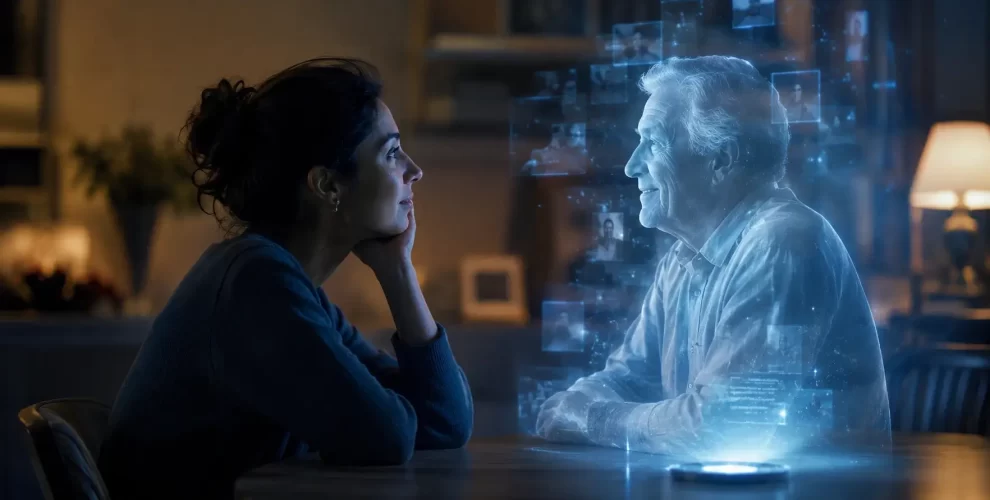
AI ghosts are digital versions of deceased people created using their messages, emails, photos, voice recordings, videos, or other personal data. These AI systems can respond to questions and hold conversations that resemble the person’s communication style.
Instead of simply looking at old photos or reading messages, users can interact with an AI that appears to speak like the person they remember.
What Did the New Study Find?
Researchers asked participants to interact with AI simulations designed in different ways. One version spoke as if it were the deceased person, while another talked about the deceased person.
Most participants preferred the first approach because it felt more personal and emotionally meaningful. Many also said they would be willing to use the technology again, even though they understood it was generated by AI.
Why Are Experts Concerned?
Although AI grief tools may offer comfort, researchers believe they also come with risks.
Some of the biggest concerns include:
- People becoming emotionally dependent on AI conversations.
- AI generating responses that never reflected the real person’s thoughts.
- Using someone’s personal data without clear consent.
- Companies potentially monetizing digital versions of deceased individuals.
Can AI Help With Grief?
For some people, talking to an AI version of a loved one may provide temporary comfort or help them revisit memories. However, mental health experts generally caution that AI should not replace real emotional support from family, friends, or professional counselors.
AI can recreate conversation patterns, but it cannot truly replace a human relationship.
The Future of Digital Memories
As AI becomes more advanced, digital afterlife services are likely to become more common. This makes conversations about privacy, consent, and ethical use more important than ever.
Before creating an AI version of someone, developers and families may need clear guidelines about who owns the data, who can access it, and how it should be used.
Conclusion
AI ghosts represent one of the most emotional uses of artificial intelligence so far. While they may help some people preserve memories, they also raise serious questions about privacy, consent, and the way we process loss. As this technology grows, finding the right balance between innovation and ethics will be essential.