AI Medical Scribes Are Saving Doctors Time, But Privacy Questions Remain
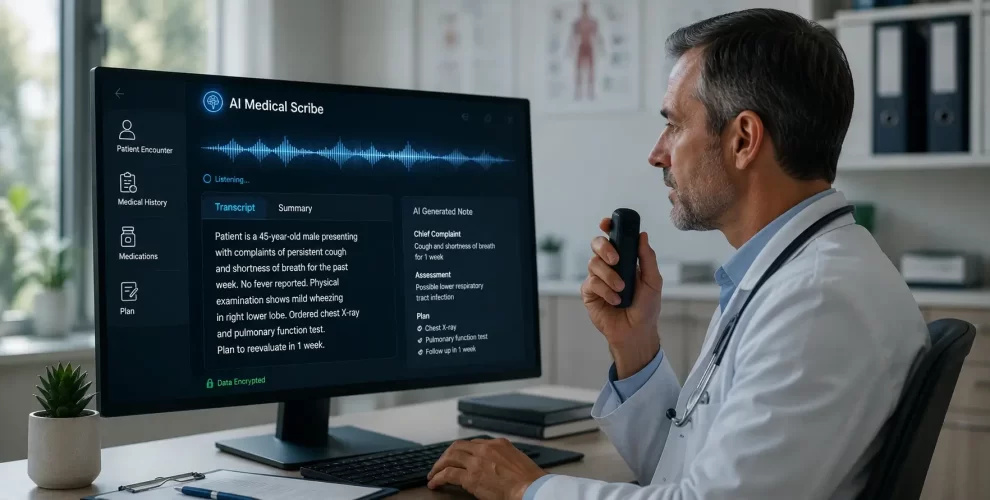
Artificial intelligence is helping doctors spend less time on paperwork and more time with patients. One of the fastest-growing tools in healthcare is the AI medical scribe—software that listens to consultations, creates medical notes, and summarizes appointments automatically.
While the technology promises faster documentation, health authorities in Australia are urging healthcare providers to use it carefully. Their main concerns focus on patient privacy, data security, and making sure AI-generated records remain accurate.
What Is an AI Medical Scribe?
An AI medical scribe is designed to assist doctors during consultations. Instead of manually typing notes, the software captures the conversation and prepares a draft of the patient’s medical record.
Doctors can then review, edit, and approve the notes before adding them to the patient’s file. This helps reduce administrative work and allows more attention to be given to patient care.
Why Are Regulators Paying Attention?
As more clinics begin using AI documentation tools, regulators are asking important questions about how patient information is handled.
Some concerns include:
- Where patient recordings are stored.
- Whether medical data is processed outside the country.
- How securely sensitive health information is protected.
- Whether patients clearly understand and agree to the use of AI during their consultation.
These questions have become more important as AI adoption has grown faster than existing regulations.
AI Can Assist, But Doctors Still Make the Decisions
AI can prepare notes quickly, but it should not replace a doctor’s medical judgment.
Generated summaries may occasionally miss important details or include mistakes. Because of this, healthcare professionals are expected to carefully review every AI-created document before it becomes part of a patient’s medical record.
Why Patient Consent Matters
Medical conversations often include highly personal information. Before using AI documentation tools, patients should know:
- That AI is being used during the appointment.
- Why their conversation is being recorded.
- How their information will be stored.
- Whether they have the option to decline.
Clear communication helps build trust between patients and healthcare providers while supporting responsible use of AI.
The Future of AI in Healthcare
AI is expected to become a regular part of healthcare, helping professionals reduce paperwork and improve efficiency. However, successful adoption will depend on strong privacy protections, transparent policies, and careful human oversight.
Technology can support healthcare, but patient trust will remain just as important as innovation.
Conclusion
AI medical scribes have the potential to reduce administrative work and make clinical documentation faster. At the same time, they introduce new responsibilities around privacy, consent, and accuracy. As healthcare continues adopting AI, balancing innovation with patient protection will be essential for building confidence in these tools.