How Connected Medical Devices Are Changing Healthcare in 2026
Table of Contents
Introduction
Healthcare in 2026 is more connected than ever. Technology now supports care at every stage. Doctors, nurses, and patients all rely on it.
A major reason for this change is the rise of connected medical devices. These medical devices collect health data and share it securely.
Doctors use this data to make faster decisions. Medical devices are used in hospitals, clinics, and homes. Wearable trackers and remote monitors are now common.
Medical devices are helping healthcare reach more people. At Wikiglitz, we track how technology changes real industries.
This article explains how connected medical devices are shaping healthcare in 2026. It also explains why this shift matters for patients and providers.
What Are Connected Medical Devices?
Connected medical devices are tools that send health data using secure networks. They often use the internet to share information. Doctors can see this data in real time. This allows quicker medical action.
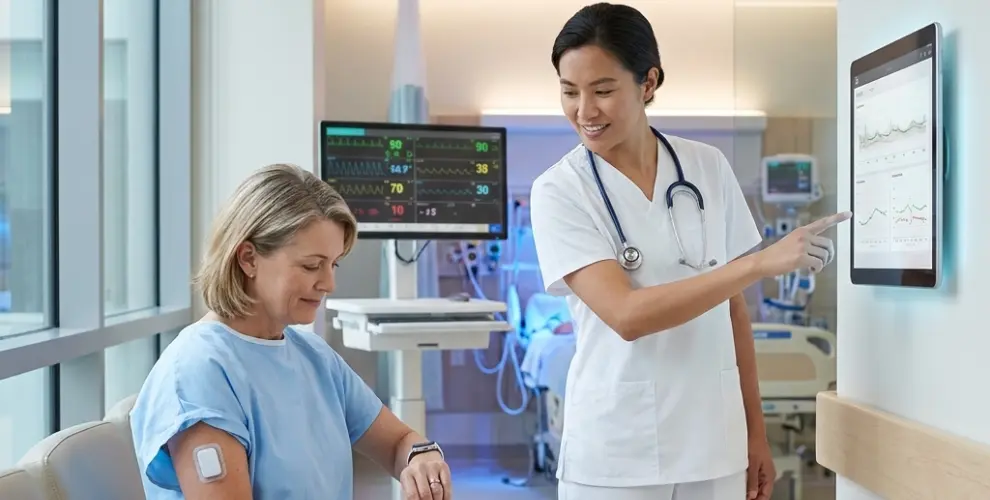
In 2026, medical devices will not be limited to hospitals. Many patients use them at home. Blood pressure monitors are common examples. Heart and glucose trackers are also widely used. These medical devices reduce the need for hospital visits.
By staying connected, medical devices improve the delivery of care. They support better tracking and faster response.
Why Connectivity Matters in Healthcare
Connectivity helps medical devices work together. When devices share data, doctors see the full health picture. This reduces confusion and delays.
Connected medical devices also help find problems early. Early detection makes treatment easier. It also improves recovery chances. Healthcare becomes more proactive.
In 2026, connectivity is essential. Modern healthcare systems depend on it.
The Role of IoT in Medical Devices
IoT plays a major role in connected medical devices. Sensors collect health data during daily life. This data is shared without delay.
Through iot healthcare systems, doctors monitor patients from a distance. This helps people with long-term illnesses.
It also reduces the need for clinic visits. IoT-based medical devices lower hospital workload. Healthcare becomes more flexible with IoT support.
Better Patient Monitoring Through Medical Devices
Connected medical devices allow constant health monitoring. Doctors no longer depend on short checkups alone. They review data collected over days or weeks.
Wearable medical devices track heart rate and movement. Some also track sleep patterns. This data shows daily health changes.
Patients feel more involved in their care. Regular monitoring leads to better decisions and outcomes.
Faster Diagnosis and Better Accuracy
In 2026, medical devices will help doctors diagnose faster. Smart systems review health data and highlight risks. Doctors act before issues grow serious.
Connected medical devices reduce manual errors. Alerts warn doctors about unsafe readings.
This improves patient safety and trust. Accurate data helps doctors focus on proper treatment.
Growth of Remote Care and Telemedicine
Remote care is now common in healthcare. Connected medical devices make virtual visits more effective.
Doctors review data from medical devices during online calls. This improves diagnosis quality. Patients save time and travel costs.
Remote care also helps busy families. Medical devices make healthcare easier to access.
Smart Medical Devices in Daily Life
Smart medical devices are easy to use. They guide users step by step. This reduces mistakes.
In 2026, smart medical devices are used at home and in clinics. Older adults can use them with ease.
These devices also help healthcare workers. Automated reports reduce paperwork. Simple design supports wider use.
Data-Driven Healthcare Decisions
Connected medical devices create useful health data every day. Doctors study this data to spot trends.
When paired with digital healthcare technology, medical devices support better care plans.
Decisions based on data lead to better results. Unneeded treatments are reduced. Healthcare becomes more personal and effective.
Data Security and Patient Privacy
As medical devices connect online, data safety becomes critical. Healthcare providers protect patient information.
Modern medical devices use encryption. Access is limited to approved users.
These steps help meet safety rules. Strong security builds patient confidence.
Role of Medical Device Companies
Medical device companies drive healthcare progress. They design and test connected medical devices carefully.
In 2026, medical device companies focus on safety and simple use. They work closely with doctors and hospitals.
This improves product quality. Better devices lead to better care.
Improving Hospital Efficiency
Connected medical devices help hospitals work smoothly. Staff receive updates in real time.
Hospitals also track equipment through medical devices. Maintenance becomes easier.
Downtime is reduced. Care delivery improves. Efficiency supports better patient outcomes.
Managing Chronic Conditions Better
Connected medical devices help manage chronic illness. They track health data daily.
Doctors receive regular updates. Treatment plans are adjusted faster. Patients feel more confident managing their health.
Long-term care becomes more stable.
Digital Healthcare Technology Integration
Digital healthcare technology links medical devices with health records. This improves team communication.
When systems connect, care becomes faster. Errors are reduced. Information flows easily.
Integration supports safer healthcare delivery.
Benefits for Rural and Remote Healthcare
Connected medical devices improve rural healthcare access. Patients avoid long travel.
Doctors monitor patients from a distance. This reduces care gaps. Remote regions receive better support.
Technology brings care closer to people.
Training Healthcare Professionals
Healthcare workers learn to use connected medical devices. Training focuses on real use cases.
Simple designs shorten learning time. Safe use improves patient trust.
Education supports successful adoption.
Challenges That Still Exist
Connected medical devices face some challenges. Internet access may be limited. Costs can be high.
Still, innovation continues to improve medical devices. Healthcare systems adapt step by step.
Progress continues despite limits.
The Future of Connected Medical Devices
Medical devices will continue to evolve. AI tools will support early diagnosis.
Connected medical devices will improve care quality further. Healthcare will focus more on patient needs. The future remains connected.
Conclusion
In 2026, connected medical devices are transforming healthcare. They support faster care and better outcomes. Remote monitoring and diagnosis are now common.
At Wikiglitz, we see connected medical devices as a key foundation of healthcare. As technology grows, care becomes more accessible and reliable.
Frequently Asked Questions
1. How do connected medical devices improve patient safety?
Connected medical devices monitor patients continuously and send alerts when values are abnormal. This allows early action and reduces medical risks.
2. Are connected medical devices safe to use at home?
Yes. Modern medical devices are designed with safety checks, clear instructions, and secure data systems to ensure safe home usage.
3. What role does IoT play in connected medical devices?
IoT allows medical devices to collect and share data in real time. This supports faster diagnosis and better care coordination.
4. How do medical devices support doctors in decision-making?
Medical devices provide accurate, real-time data. This helps doctors make informed decisions based on trends instead of single readings.
5. Will connected medical devices replace doctors in the future?
No. Medical devices support doctors by providing data and insights. Human expertise and judgment remain essential in healthcare.