Why People Are Skeptical of Mark Zuckerberg’s AI Future
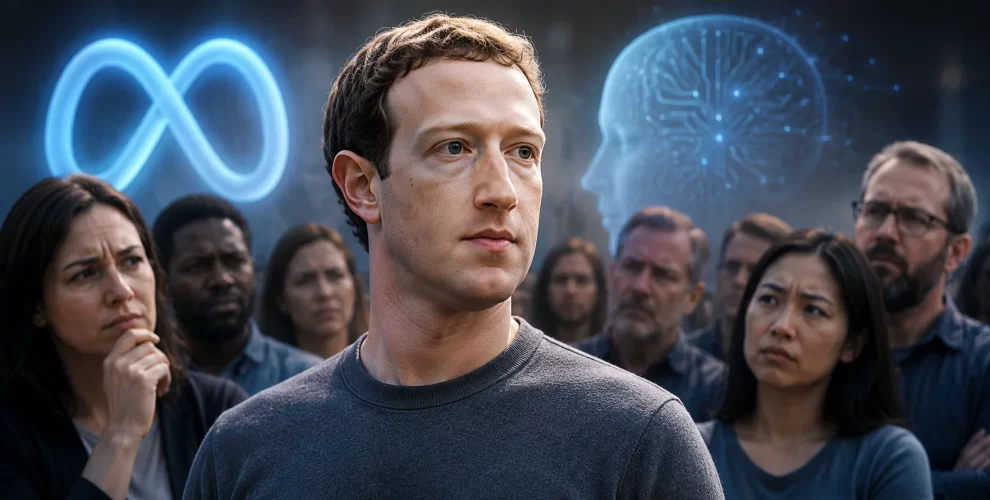
Meta CEO Mark Zuckerberg has shared a bold vision for the future of artificial intelligence.
He believes AI could give people personal assistants that understand their goals, manage everyday tasks, and help them become more productive.
The idea sounds promising, but many people remain unconvinced.
The concerns are not only about AI technology itself. They are also about trust, accessibility, and Meta’s history.
Zuckerberg’s Vision for Personal AI
Zuckerberg expects AI to become a regular part of everyday life.
Instead of opening a chatbot only when help is needed, he imagines personal AI working continuously in the background.
These assistants could help manage schedules, prepare messages, organize information, and support creative tasks.
Meta also expects AI to work across devices, including computers, smartphones, and wearable technology.
Why People Are Skeptical
One major concern is trust. Meta has previously promoted its platforms as tools for connecting people, but social media has also faced criticism over advertising, engagement-driven content, and online conflicts.
Because of this history, some users are questioning whether Meta’s AI vision will genuinely put people first.
Accessibility is another issue. Some of Meta’s newer AI experiences may depend on specific hardware, which could make them less accessible to ordinary users.
The Bigger AI Question
People are not necessarily against AI. Millions already use AI tools for writing, research, coding, planning, and other everyday tasks.
The bigger question is whether companies are creating AI products that people actually need.
Users also want clear answers about privacy, safety, cost, control, and how AI will improve their daily lives.
What This Means for Meta
Meta has a major advantage because it already has billions of users across its platforms. However, turning that reach into trust will be difficult.
Zuckerberg’s vision may become realistic, but Meta will need to demonstrate its value through useful products rather than ambitious promises alone.
Conclusion
The future of personal AI could be powerful, but people will decide which AI tools become part of their everyday lives.
For Meta, the biggest challenge will be proving that its AI vision is not just ambitious, but genuinely useful, accessible, safe, and worthy of users’ trust.