Midjourney and Hollywood’s AI Dispute Could Shape the Future of Copyright
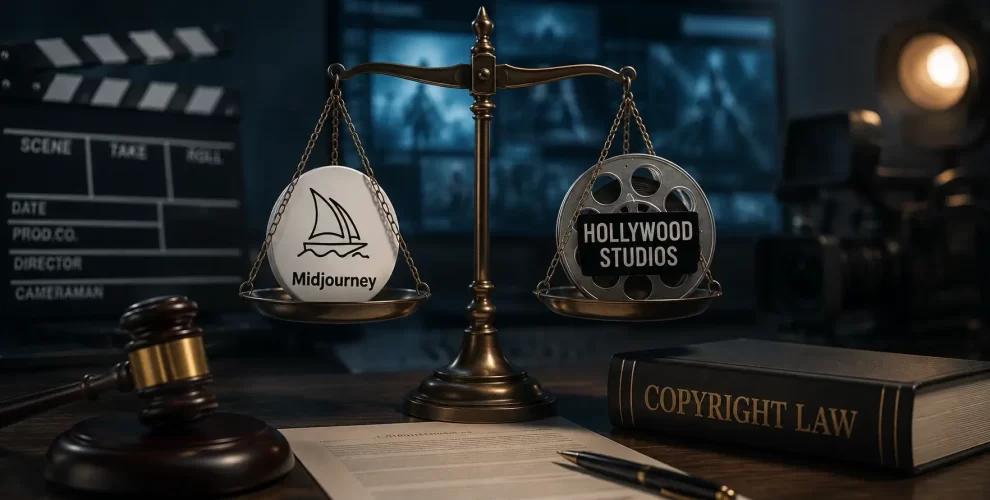
Artificial intelligence and the entertainment industry are becoming increasingly connected, but that relationship is also creating legal challenges. One of the latest developments involves AI image generator Midjourney, which has asked major Hollywood studios to disclose how they use AI in their own creative work as part of an ongoing copyright lawsuit. The outcome could influence future legal battles between AI companies and content creators.
What Is the Dispute About?
Several major film studios have accused Midjourney of copyright infringement, arguing that its AI image generator can create artwork featuring protected characters and other copyrighted material.
Midjourney disagrees with those claims and says its AI training methods fall under fair use. As the case moves forward, both sides are gathering evidence to support their arguments.
Why Does Midjourney Want Information From the Studios?
Instead of focusing only on its own technology, Midjourney wants the court to examine how the studios themselves use artificial intelligence.
The company believes that if film studios are using generative AI during activities such as concept development, story planning, or visual design, that information could provide useful context in the copyright case. The studios, however, argue that these requests go beyond what is necessary for the lawsuit.
Why This Case Matters
This legal dispute goes beyond one company and a few movie studios.
As AI becomes more common in creative industries, courts are being asked to answer difficult questions, including:
- What qualifies as fair use when training AI models?
- How should copyrighted material be handled during AI development?
- Should AI companies and content owners follow the same standards?
- How much transparency should businesses provide about their AI workflows?
The answers could influence future copyright cases involving music, books, films, and digital artwork.
AI Is Becoming Part of Modern Filmmaking
Artificial intelligence is already being explored for tasks such as brainstorming ideas, creating concept art, improving visual effects, organizing production workflows, and supporting marketing teams.
However, the growing use of these tools has also increased concerns about ownership, originality, and the protection of creative works.
As more studios adopt AI, legal frameworks will likely continue evolving alongside the technology.
What Could Happen Next?
The court will decide how much information the studios must share during the discovery process.
Whatever the decision, it could become an important reference for future lawsuits involving AI developers and copyright owners. Companies on both sides of the creative industry are watching closely because the outcome may help define how AI is used responsibly in the years ahead.
Conclusion
The dispute between Midjourney and Hollywood is about more than a single lawsuit. It reflects the growing challenge of balancing technological innovation with intellectual property rights. As AI becomes a bigger part of creative work, courts will play an important role in setting the rules that shape the future of both artificial intelligence and the entertainment industry.